The Celtic Football Club is more than just a team. It is a living story of tradition, flair, and that unmistakable roar from the terraces of Parkhead. The club’s proud history is marked by footballing legends wearing green and white hoops. While many players have stolen the limelight, it’s the managers who are the captains of the ship. Let’s take a journey through history, providing analysis about the men who led Celtic to glory.
The Founding Fathers and the Early Gaffers
It all began with Willie Maley, the club’s first manager and perhaps its most influential in terms of setting the tone. Maley took the reins in 1897 and held on until 1940 (over four decades at the helm). Think about that the next time your team changes bosses twice in one season.
Maley built Celtic into a proper footballing force. Under his stewardship, the team lifted 16 league titles and 14 Scottish Cups. The man practically invented the Celtic winning mentality. He didn’t just build a squad. He built a legacy.
Following him came a series of managers who tried to keep the flame alive, with mixed results. Jimmy McGrory, for example, was a club legend as a player and tried to bring the same fire to his role as manager. His record was solid, but Maley’s consistency was hard to match.
Jock Stein: A Revolution in Green and White
Every Celtic fan smiles at the mention of Jock Stein. The man was a colossus. When he arrived in 1965, Stein was not just managing a team. He was starting a revolution.
Within two years, he had led Celtic to become the first British club to win the European Cup. That glorious night in Lisbon still gives fans goosebumps.
But it was not just that one big win. Stein guided the club to nine league titles in a row and dominated Scottish football throughout the late sixties and early seventies.
Stein brought a bold and attacking philosophy. His teams played with pace, flair, and bravery. Celtic became known not just for winning, but for winning beautifully.
The Changing of the Guard and the Rollercoaster Years
After Stein, the club entered a period of ups and downs. Billy McNeill, another legend, tried to steady the ship. Twice, in fact. His two stints as manager brought more silverware, including a memorable league win in 1988, Celtic’s centenary year.
The nineties were tougher. Managers came and went. Some had decent runs; others struggled to find rhythm. It felt like Celtic was searching for its identity again. Still, through it all, the fans kept showing up. The banners kept waving. The songs kept singing.
Supporting Celtic isn’t something that ends when the full-time whistle blows. It sticks with you on the walk home, during the week, and even in how you unwind. Some fans stay connected by running their dream Celtic lineups in fantasy leagues, while others hop on FIFA and relive famous Parkhead nights or imagine lifting another league trophy.
The Modern Era: A Blend of Old Spirit and New Ideas
Enter Martin O’Neill in 2000. Now he was a manager who just got it. Passionate, confident, and good at spotting talent. He also brought in big names, such as Henrik Larsson and Chris Sutton.
More importantly, O’Neil brought trophies. His Celtic side reached the UEFA Cup final in 2003 and won a string of domestic titles. He reminded everyone what Celtic could be when firing on all cylinders.
Then came Gordon Strachan, who delivered three league titles and kept the team competitive in Europe. Tony Mowbray had a brief and tricky spell, and then Neil Lennon stepped in. Lennon’s time as manager came in two chapters, with the first being particularly successful. He guided Celtic through unbeaten domestic runs and big European nights.
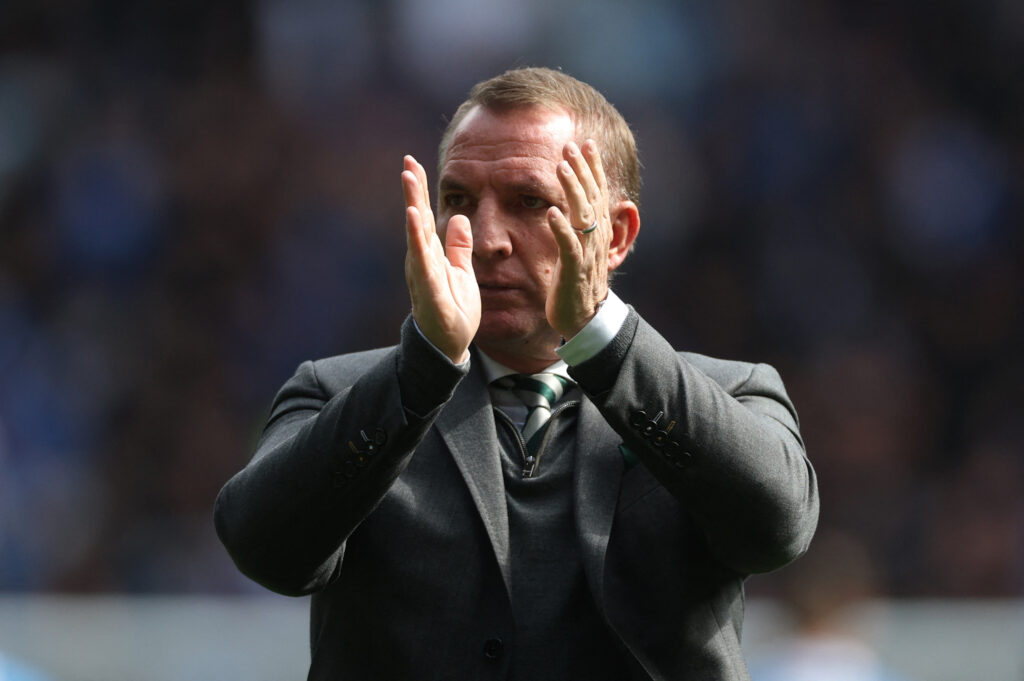
Ronny Deila experimented with a more modern approach, focusing on fitness and youth. Brendan Rodgers followed with a bang, leading the team to an incredible unbeaten domestic season in 2016–17 and a historic double treble. That’s back-to-back trebles, with no losses in the league for a whole year.
All those managers in one way or another strove to raise the team to a new level. Not everyone succeeded in this completely, but there were also very successful attempts. Successful periods in history always evoke emotions, as does gambling. For example, at https://www.slotozilla.com/uk/free-slots, you can feel the spirit of competition without risk. Free slots have a lot of nice extras. In addition, the themes of such games are very diverse, ranging from classic fruits and adventures to fantasy, cinema, mythology, and even football. So everyone will find something to their taste, especially sports fans.
The Aussie Ange Postecoglou: A Thrilling Brand of Football
Announced as Celtic boss in 2021, most fans had never heard of the Aussie, Ange Postecoglou. Who? From where? But oh, how quickly he won hearts. His style of fast, fearless football was a joy to watch.
Ange brought in exciting players and had a sharp eye for finding value. He delivered two Scottish Premier League titles and played the game the Celtic way: bold, attacking, and never boring.
The Aussie manager did more than win matches. He reconnected the fans with the team. Celtic Park felt alive again every week. And football? Some of the best in years. No sideways passes. No parking the bus. Just pure, thrilling energy from back to front.
Celtic Managers and Their Major Achievements
| Manager | Years in Charge | Major Achievements |
| Willie Maley | 1897–1940 | 16 League Titles, 14 Scottish Cups |
| Jock Stein | 1965–1978 | European Cup, 10 League Titles |
| Billy McNeill | 1978–1983, 1987–1991 | League Titles, Scottish Cup wins |
| Martin O’Neill | 2000–2005 | 3 League Titles, UEFA Cup Final |
| Brendan Rodgers | 2016–2019, 2023–Now | Unbeaten Season, Domestic Trebles |
| Ange Postecoglou | 2021–2023 | 2 League Titles, League Cup Wins |
The Story Continues
Today, with Brendan Rodgers back at the helm for his second stint, the club looks set to chase more glory. His first spell showed he could bring the best out of the squad, and fans are hopeful he can repeat that magic again.
What makes Celtic special is not just the trophies. It’s the way the team plays. The way the fans sing. The energy that spills from the stands onto the pitch.
The managers who understand that have always been the ones who succeed. They know Celtic is not just about tactics. It’s about belief.