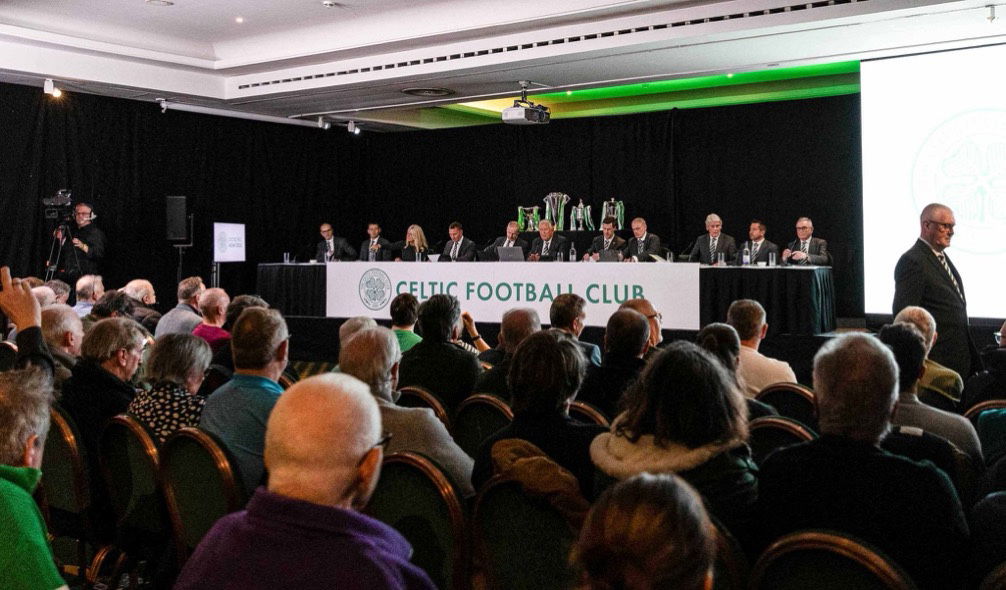
At the recent Celtic AGM, an illuminating moment unfolded, offering a glimpse into the future of Celtic Football Club.
The narrative until now has been largely shaped by majority shareholder Dermot Desmond, who, despite his infrequent presence at Celtic Park, has been the invisible hand guiding the club’s trajectory. His absence from the AGM, a regular occurrence, often fuels speculation about his commitment and long-term plans for the club. This time, however, the plot took a slightly different turn.
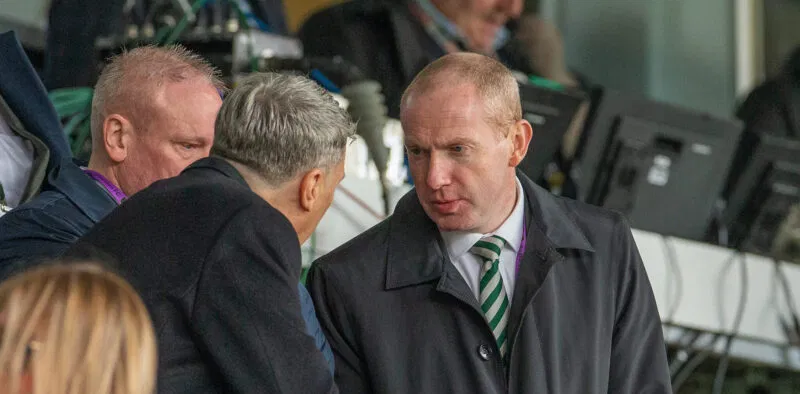
Enter Ross Desmond, Dermot’s son, who attended the AGM on behalf of his father once again. His words, “We don’t consider ourselves as shareholders, we are custodians,” when asked about selling to less than reputable sources struck a chord of reassurance, yet they usher in a new era of questions and uncertainties. Ross’s declaration that the Desmonds have no intention of selling Celtic in their lifetime is a significant one. It firmly places the future of the club in the hands of the Desmond family, at least for the foreseeable future.
Now, this leads us to a pertinent question: What does this mean for Celtic, and is it time to scrutinise the role of Ross Desmond more closely? Dermot Desmond, at 73, is likely to pass on his shareholding to his progeny, signalling a transition of power that could redefine the club’s future. This potential passing of the baton to the next generation opens a Pandora’s box of inquiries.
Celtic supporters are right to ponder over the type of influence the Desmonds will wield in the post-Dermot era. The club’s management and decision-making processes have largely mirrored Dermot Desmond’s vision, with little deviation from his preferred path. This approach has been a bone of contention among fans who view the board as stagnant, craving a fresh perspective and a shake-up in governance.
Could Ross Desmond be the catalyst for this much-needed rejuvenation, or will he tread the well-worn path laid by his father? It’s a delicate dance between upholding a legacy and injecting new blood into the club’s veins. With 35% of the club under their control, the Desmonds’ decisions will indelibly shape Celtic’s future.
The need for accountability stretches beyond Dermot Desmond. It’s not just about who holds the reins, but how they steer the chariot. The Celtic fan base, passionate and invested, deserves transparency and a voice in this new chapter. The club’s future shouldn’t just be a family affair; it should be a collaborative journey with its supporters.
While the Desmonds promise continuity, the path forward for Celtic demands more than just custodianship. It requires a vision that resonates with the heartbeat of its supporters, a board that is dynamic and responsive, and leadership that is accountable not just to shareholders, but to every fan who bleeds green and white.
The future of Celtic is indeed a tale of custodianship, but it’s one that should be co-authored with its fans. But is the appetite there?