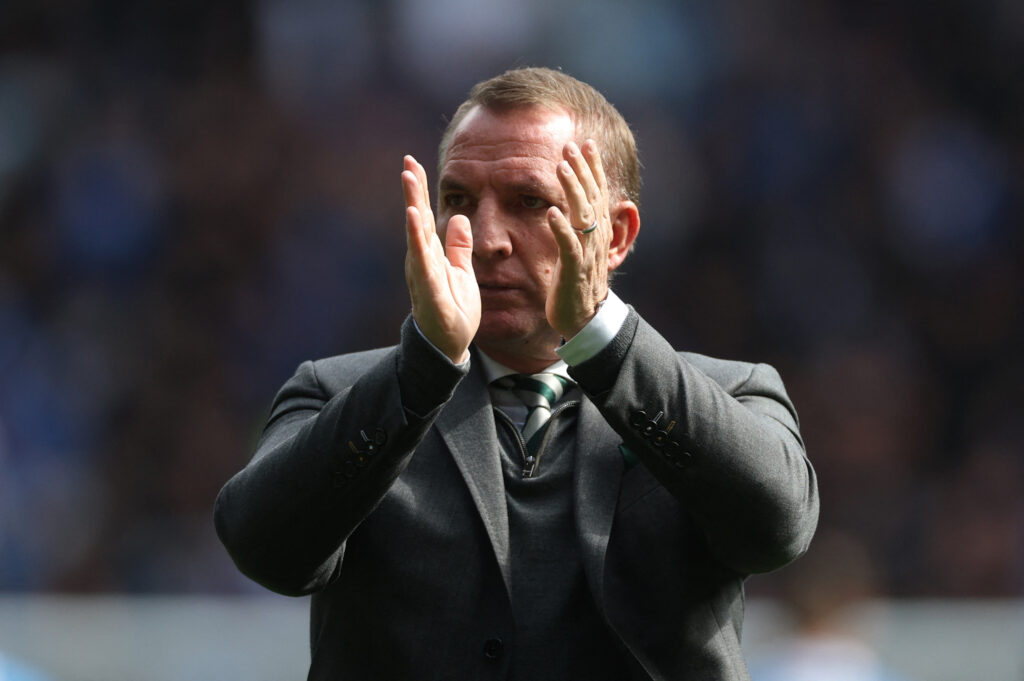
From pub talk to terrace singing, the away day is really sacrosanct. But how do the green and white army rate against England’s travelling fanatics on their Saturday rites?
The away day takes centre stage within football culture—early mornings, busy pubs and the indefatigable chant by loyal fans on foreign soil. The rituals go further than the game itself, sketching a history over a few decades, full of community, pride and passion.
Within British fan cultures, Celtic fans are really considered to be flag-bearers of vociferous, energetic support, at home or away.
The English Premier League away support attracts more international coverage, so comparisons have become a byproduct.
Not just a Match, a Mission
Away days are really a commitment. From sorting travel and tickets to relocating around new cities, only the most dedicated are likely to make the effort. For Celtic fans, however, that commitment goes deep. Midweek trips to Dingwall, late journeys from Livingston or 600-mile return trips to Pittodrie are the best.
With their luxury travel arrangements and high-ticket games, Premier League fans see a different tableau. The size changes, but the rituals really remain the same. Flags are rolled up, singing lines are rehearsed and colours are worn proudly on sleeves. But on the Prem, tickets and costly seats create their barriers to entry. Websites such as hellotickets.com are increasingly used to purchase spots within the most sought-after venues. International fans are better equipped to join the fray, while local competition intensifies.
Atmosphere versus Optics
Celtic’s travelling support survives on atmosphere. Not a touch of pyrotechnics or sound equipment is required—just a roaring crowd supplying noise from beginning to end. On or off the ground, Celtic leaves a mark. Their most recent European excursions to Rome, Rotterdam and Madrid proved that the travelling Hoops are still among the continent’s most fanatical and dynamic.
Away support varies within the Premier League. Some teams like Leeds, Newcastle and Manchester United have big, loud groups, while others struggle to fill allocations, especially long-distance ones. Modern arenas and televised matchlists can reduce the edge of travelling support and foster an atmosphere that’s more rehearsed rather than rambunctious.
Premier League stadia may sound impressive, yet many find them devoid of passion when Celtic come to town. Even pundits have referred to English away contingents as subdued compared to the applause that greets the Bhoys on European nights.
Ticket Troubles and Travel Tactics
One distinguishing feature between English and Scottish away days is the tickets. For Celtic fans, admission is tightly controlled—loyalty points, season tickets and long-established priority schemes decide who goes. They form a regular travelling fraternity, tied by everyday rituals and fierce camaraderie.
As tourist and casual fan popularity grows in England, the hardcore away-day has been eroded among certain clubs. Large clubs are faced by insatiable international demand that is, by and large, being met by third-party providers or club-approved packages. The phenomenon has pushed loyal long-time fans to the periphery, while one-off or neutral spectators sit in the seats.
The Celtic fans organise their day trips with military precision. Local intelligence comes first—pubs, trips, songs and flags are sorted long ahead. The trains are booked months ahead and match-day protocol is polished through years of experience. The sense of collective purpose holds the support together, win or lose.
Identity, Politics and Pride
Celtic’s travelling fan base isn’t just about numbers — identification. Political songs, historical flags and shows of solidarity are familiar and controversy and pride are always sparked in equal measure. The travelling Celtic fan base sends a message. Whether welcomed or warned by the away team, it won’t fit in.
Unlike numerous Premier League away delegations, which have become sterile by increments, safe standing appears to return, though banner and flag restrictions and censorship of lyrical content have scarred it. Club advertising, stadium sponsorship and family-friendly briefings have standardised the rough edge that was English abroad.
Even though it has many woes, the Celtics fans still retain their sense of rebellion. Even while reviled or punished, it will not retreat to magnanimity. That sense of identity defines—and, one might say, exceeds—most English equivalents.
Verdict from the Stands
Judged by numbers, noise or spirit, Celtic’s away supporters are their men. The Prem may have a global broadcast, luxury buses and HD TV, but the essence of an away day can’t be broadcast. It’s on the roads, pubs and stands, where generations of fans sing the same things, to the same rhythms, postcode and passport apart.
The Celtic travelling supporters’ ranks are still among football’s most fiercely dedicated and raucous. From domestic grounds to European grandstands, the green and white army still decamps with refinement—bags packed, voices primed and culture to show off. To Tynecastle or Turin, that passion never falters. This isn’t a tourist trip. This is tradition.