Whether Celtic stumble in Almaty next week or stagger across the line, there is no happy ending waiting on the Kazakh steppe. A victory would mask nothing. At best, qualification for the Champions League would deposit Celtic into the most lucrative tournament in world football with arguably the weakest squad the club has carried into it in well over a decade. Even if reinforcements arrive before the window shuts, they will arrive late — parachuted into a campaign already underway, with no time to bed in, no rhythm, no cohesion. It’s been Celtic’s transfer Groundhog Day for years.
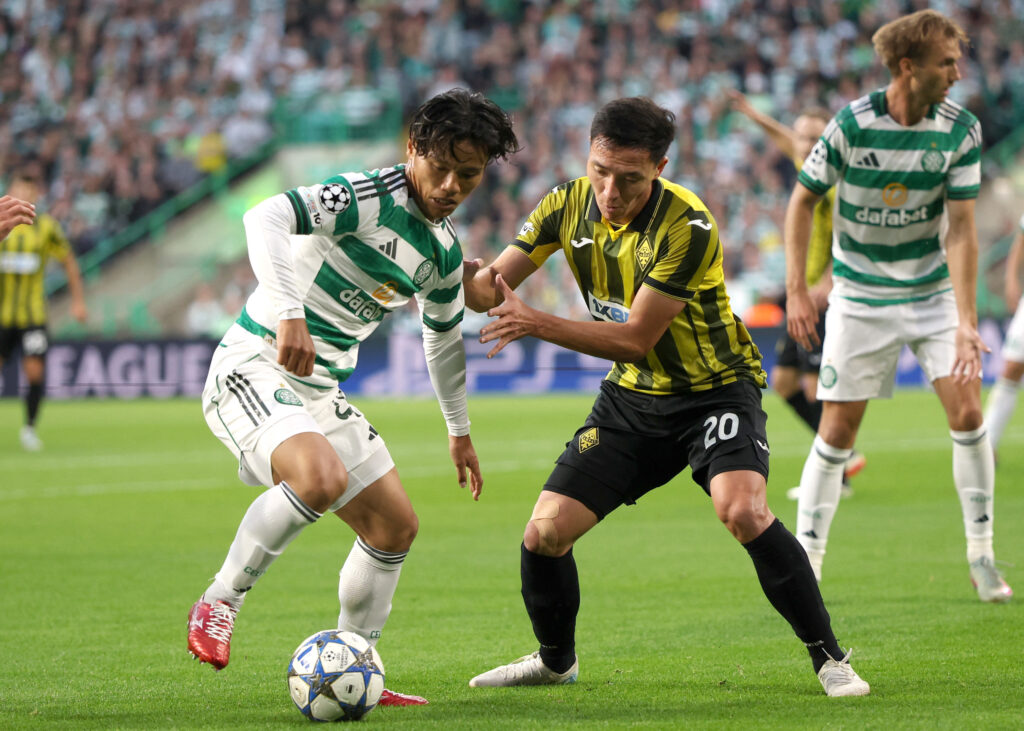
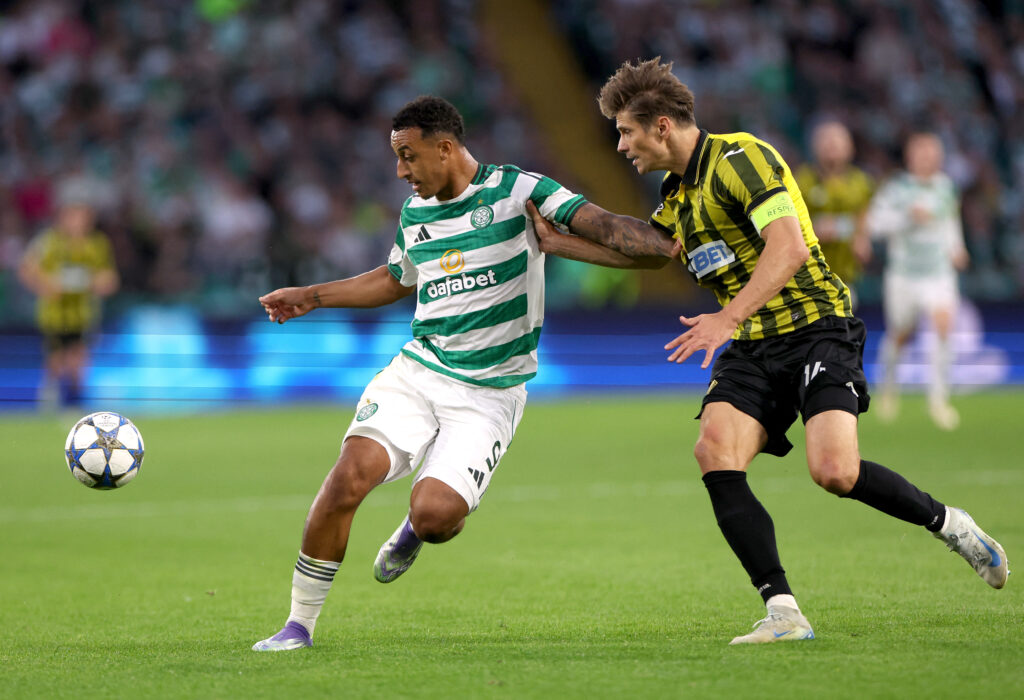
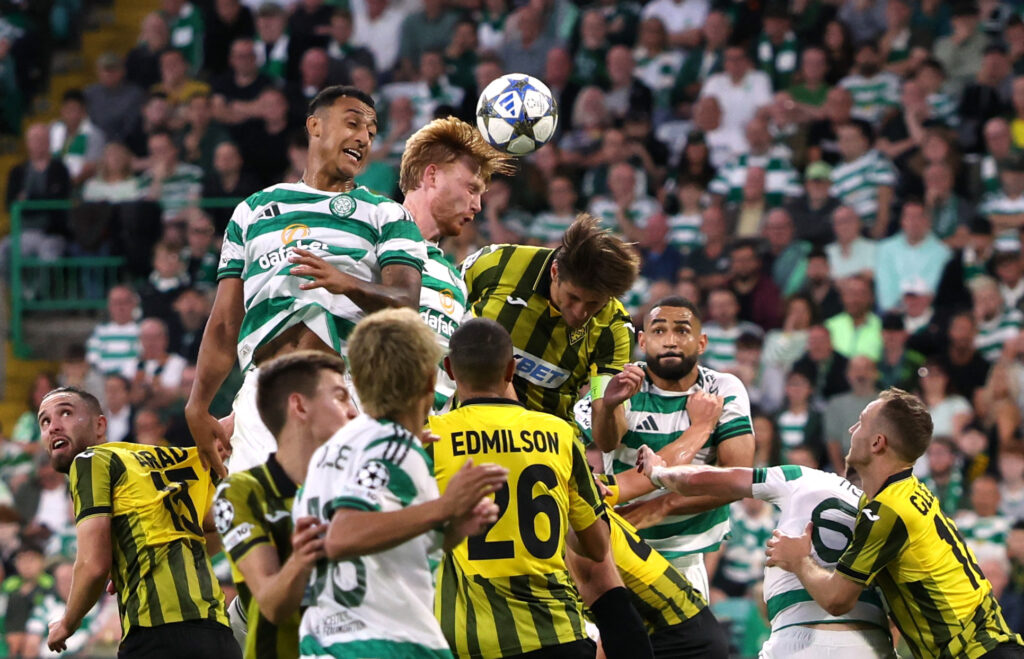



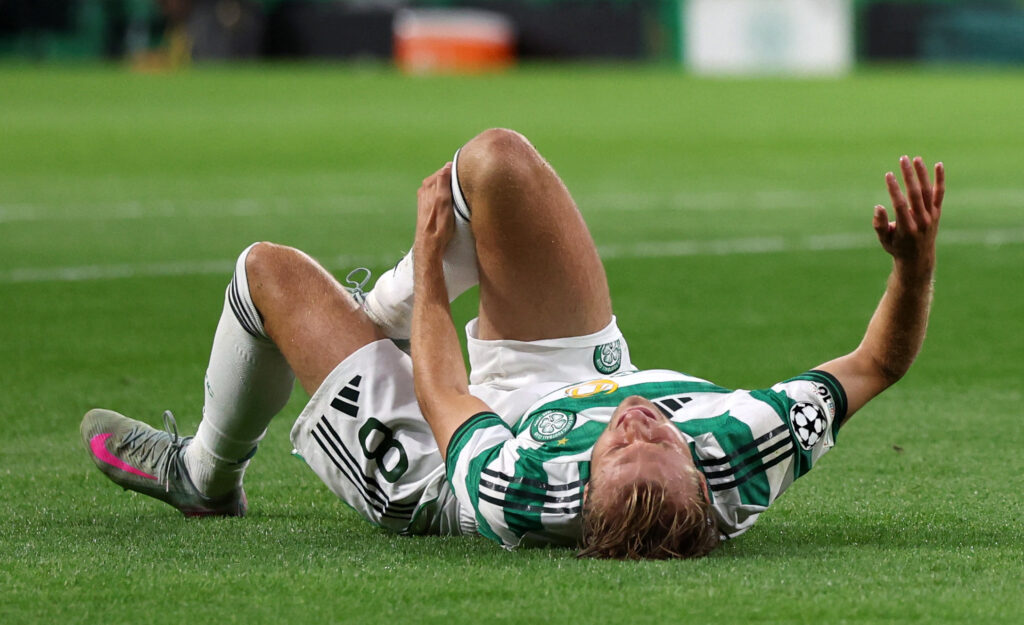
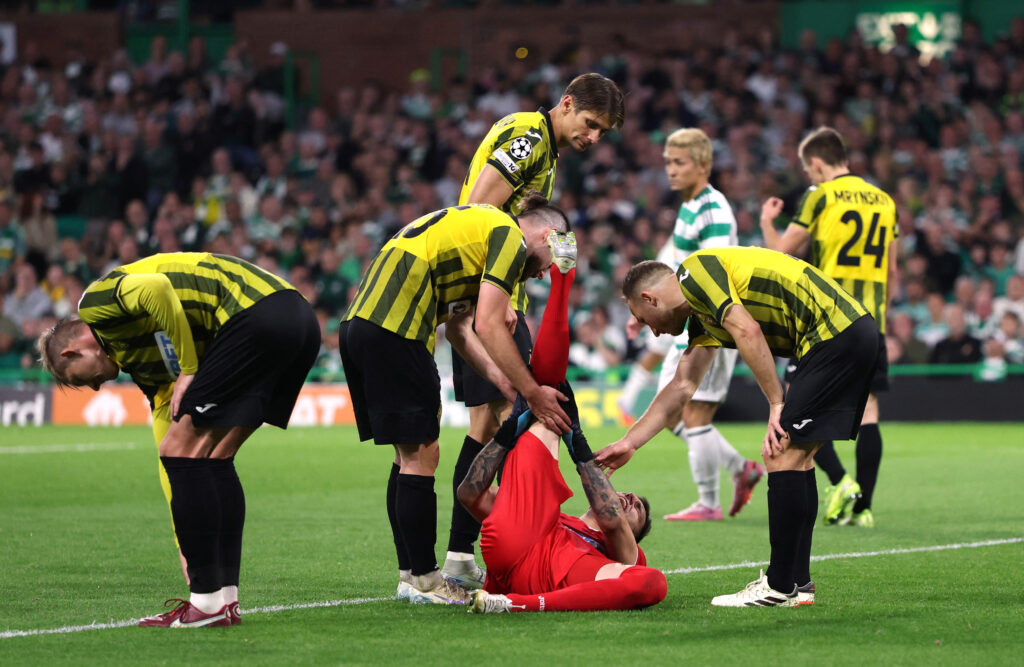
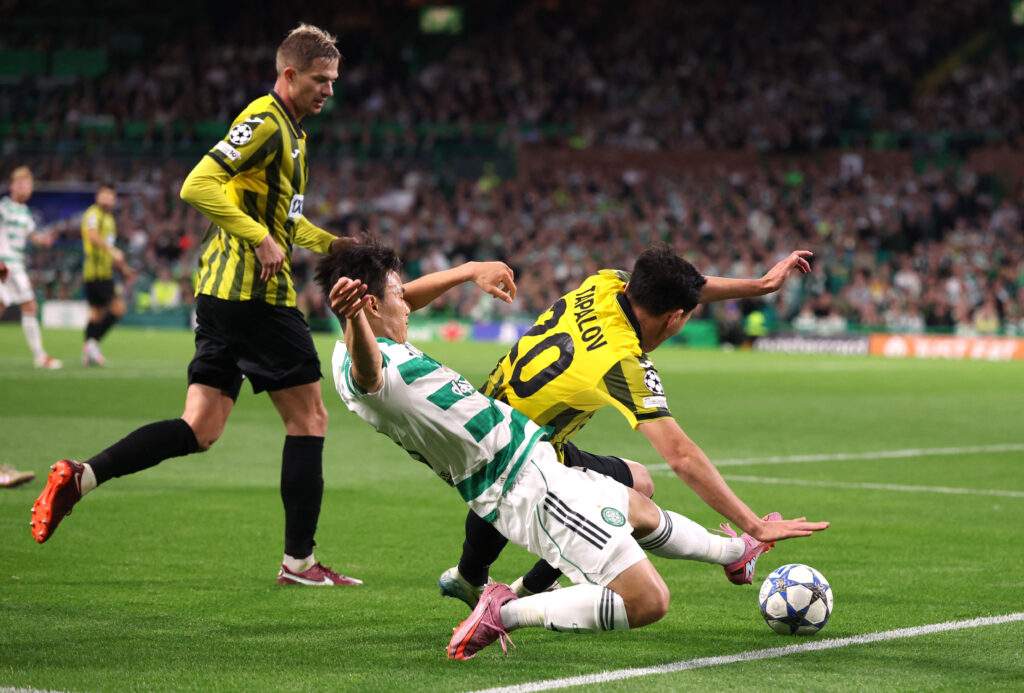
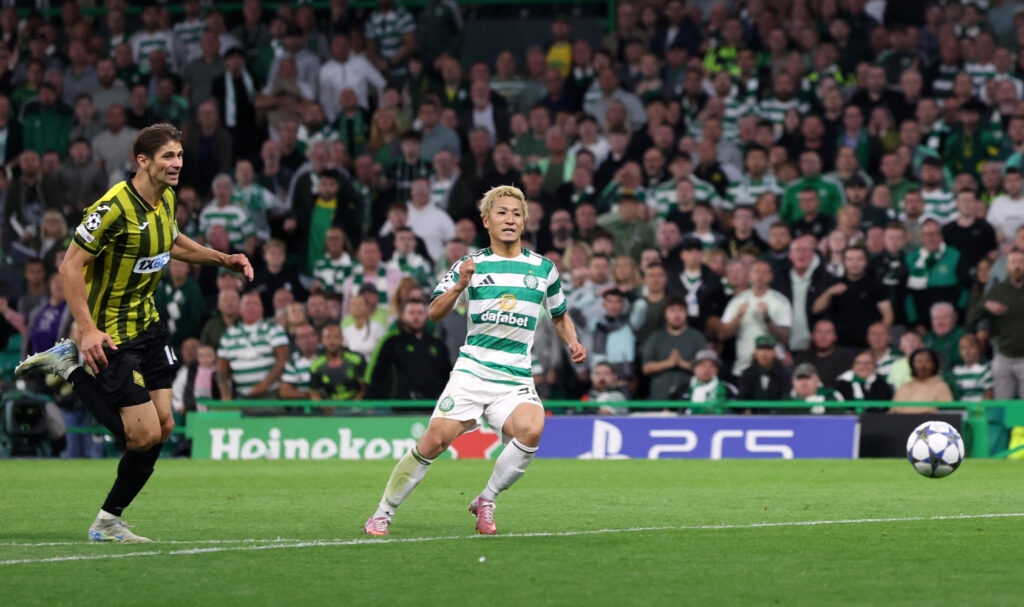
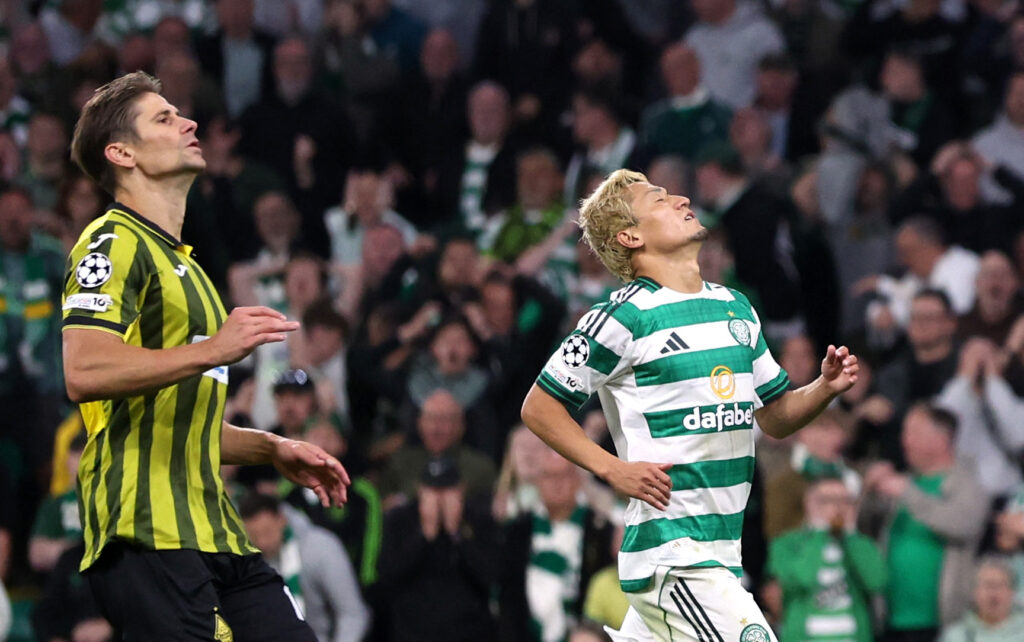
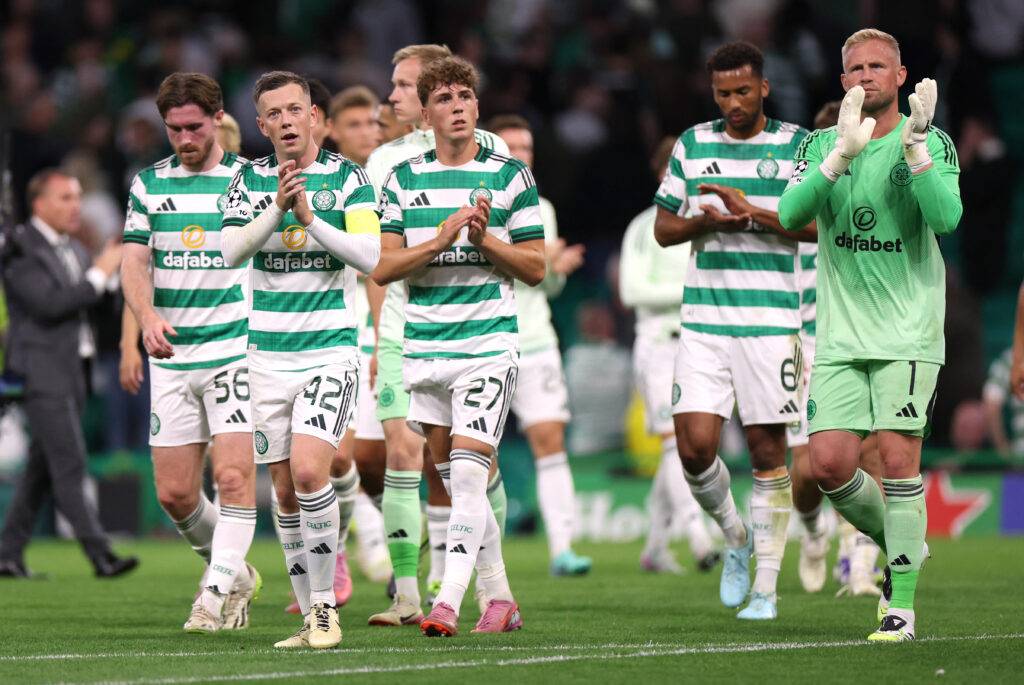

And if we fail? If Brendan Rodgers’ men collapse under the weight of travel, hostile surroundings and their own bluntness in front of goal? Then it will be a calamity in itself. Not because Kairat Almaty are unworthy opponents — they are awkward, they are stubborn, and they carry a threat on the break — but because Celtic, in stature, in resources, in sheer financial muscle, should be operating on a different planet. A failure to qualify would not just be a footballing failure. It would be an institutional one, a direct consequence of a boardroom strategy that has played this exact record season after season. Malmö, Maribor, Athens, Cluj, Ferencváros, Midtjylland…are Kairat Almaty about to join this infamous bunch?

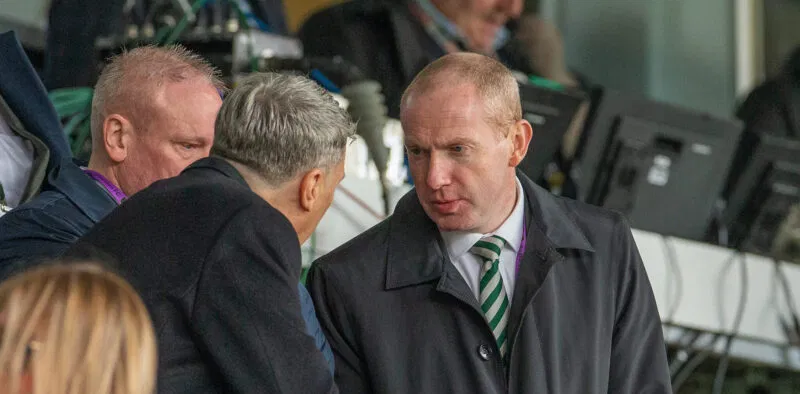
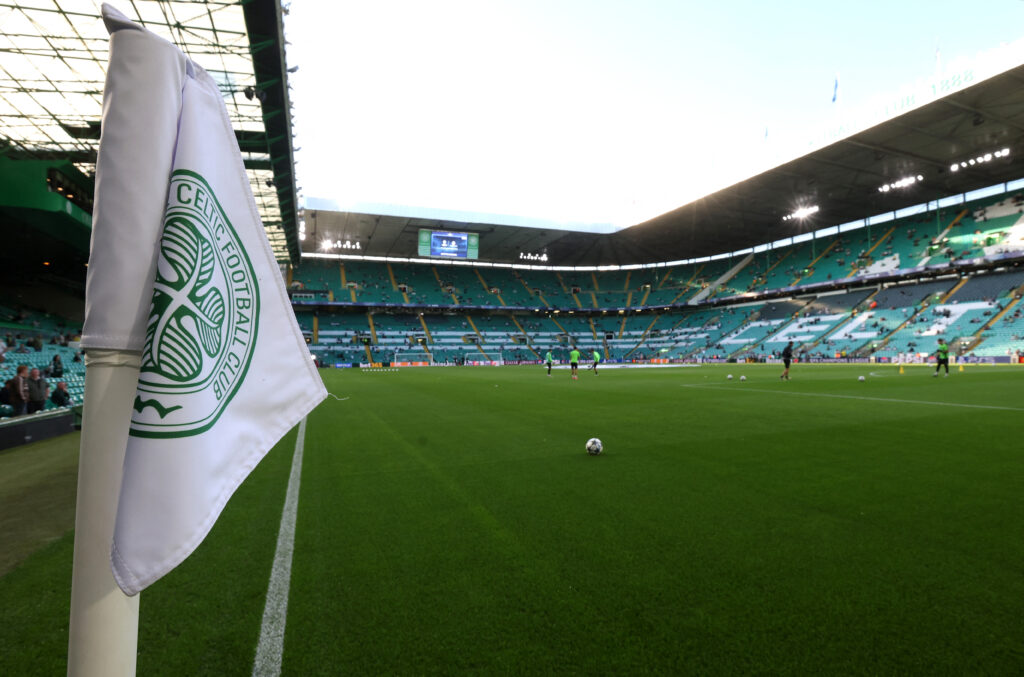
What is the point in chasing Champions League riches if the men in suits won’t allow those riches to be used in any timely, meaningful way? Fans see the pattern as clearly as they see the green seats in the stands: the summer scramble, the late arrivals, the reliance on “making do” until European dreams collapse in a heap of missed chances and regret. It’s no wonder that on Wednesday night, as frustration bubbled into chants of “sack the board,” the spotlight turned from the pitch to the directors’ box.
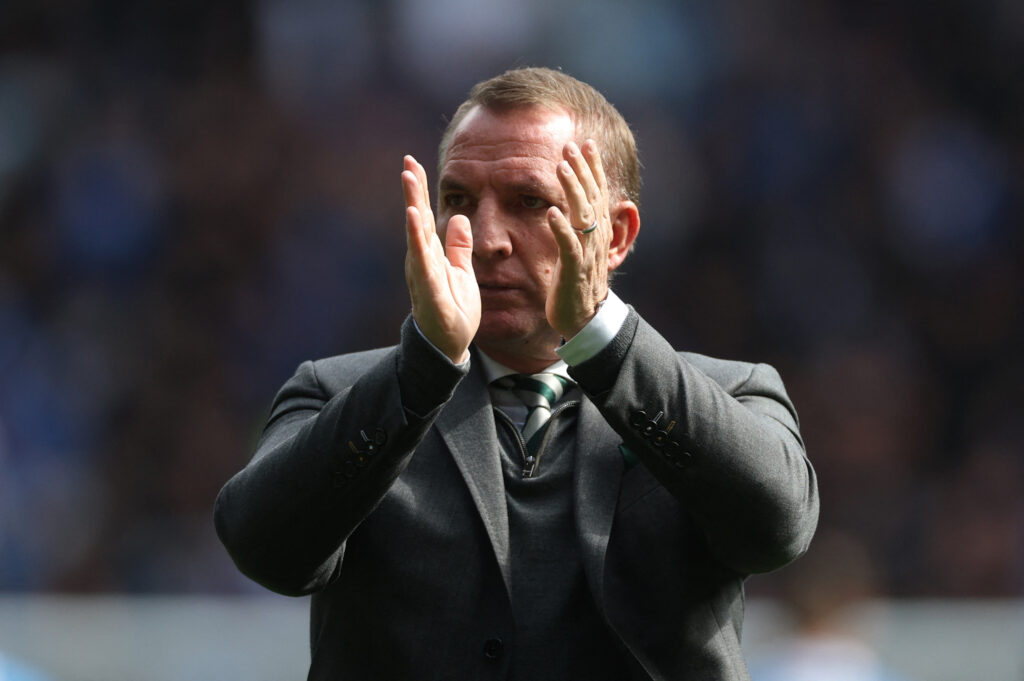
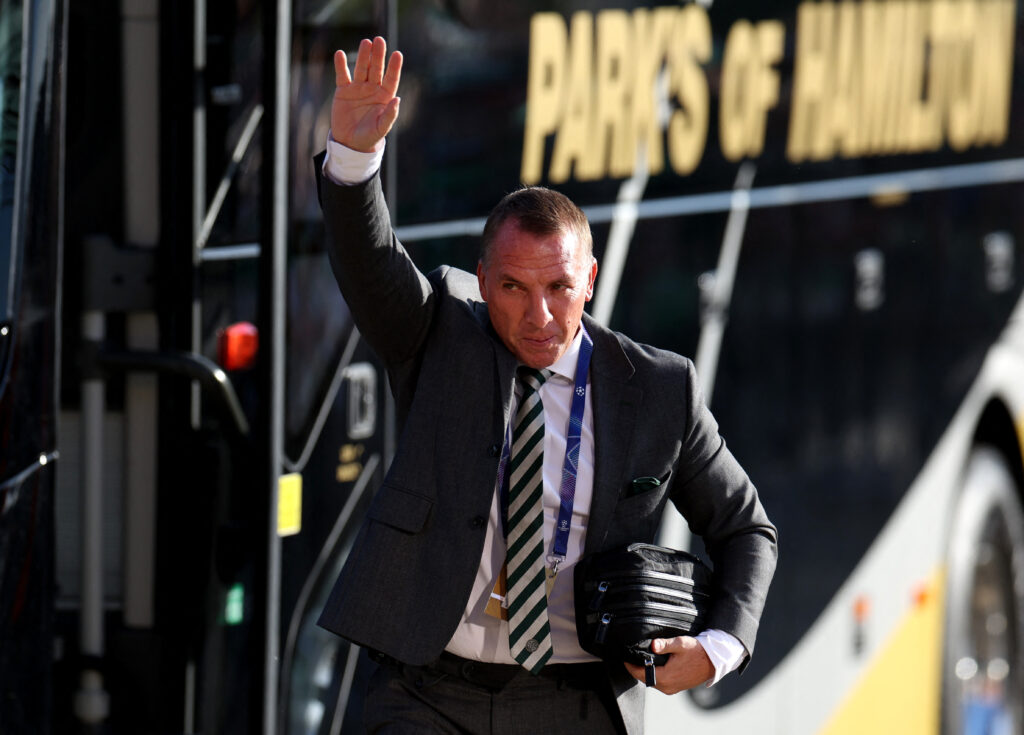
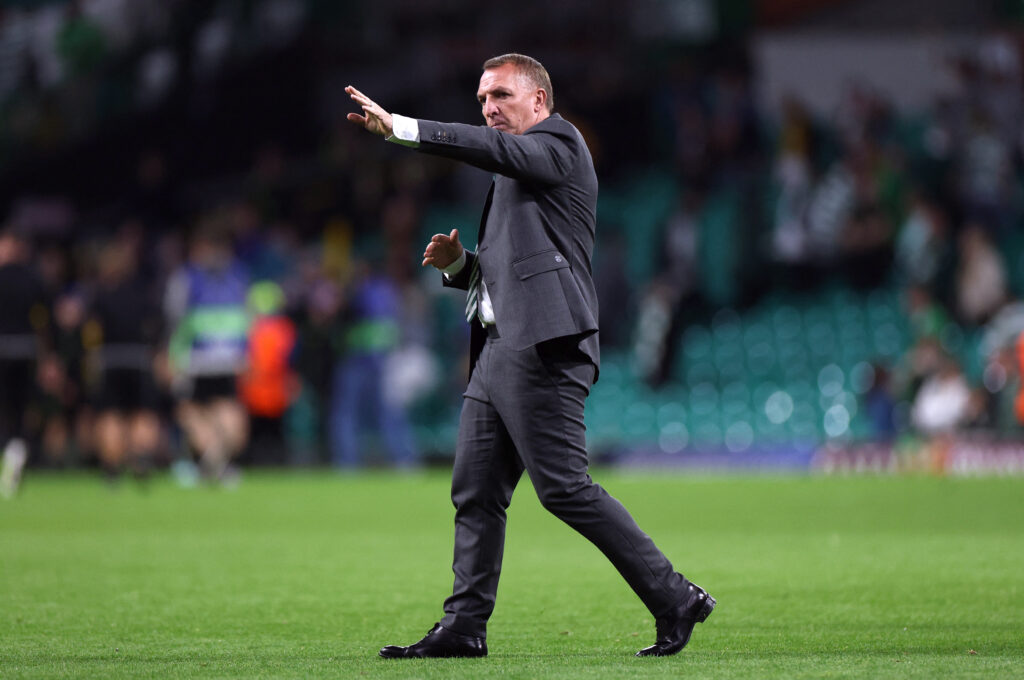
Rodgers, for his part, cuts the figure of a man nearing the end of his sentence. This is his 800th game in management, but it looks like his third year in prison with no parole. He knows the walls, he knows the shadows, and he knows the futility of trying to change the architecture of a house Dermot Desmond built to suit only himself. The majority shareholder remains the phantom who hovers over Parkhead like a storm cloud, while supporters fork out handsome sums to watch a diminished Celtic side attempt to pick their way through Livingston on Saturday. Dermot will likely be on a golf course. The fans, as ever, will be in the stands.
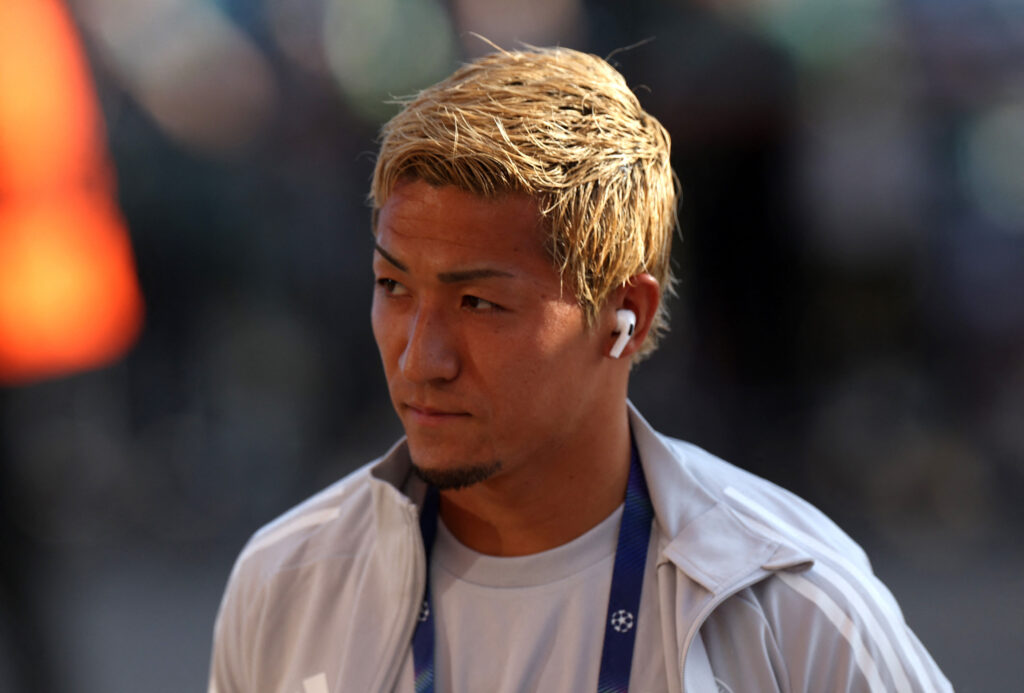
But Rodgers doesn’t get to walk away without scrutiny either. His first spell in Glasgow was defined not only by trophies but by his ability to elevate players, to draw out levels they didn’t even know they had. Think Forrest, Tierney, Armstrong, McGregor. This time, that hallmark is fading. Perhaps Daizen Maeda has benefited from the “Brendan bounce.” Maybe one or two more. But the list stops there. Too many have stagnated. Too few have grown. And when progress stalls, the glare falls on the dugout as much as it does on the directors’ box.
Yes, Celtic can still win the league. Yes, they can still summon the pride and defiance required to get off the canvas. But we all know what’s coming. Another season of déjà vu, another European campaign cut short or meekly endured, another summer of waiting, watching, and wondering why ambition is rationed like contraband and if the team finish one point above Rangers, then it’s job done as far as they’re concerned.
Celtic supporters don’t need to be told the truth. They’ve lived it, season after season, like Bill Murray waking up to the same radio alarm. Until this board finally bows out and fresh ideas are allowed to flourish, it will always be Groundhog Day… again.