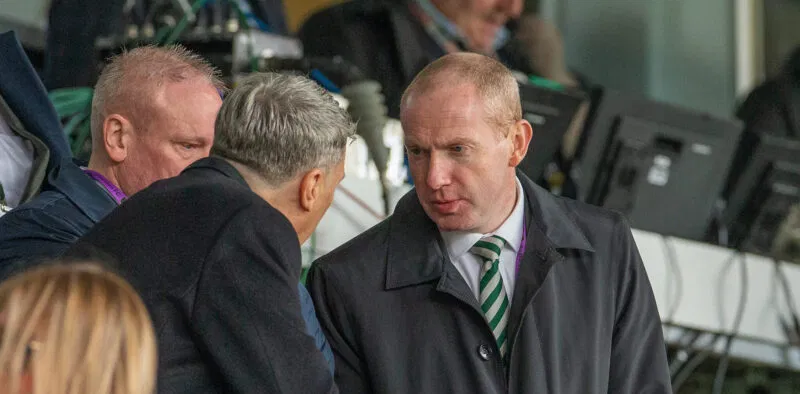
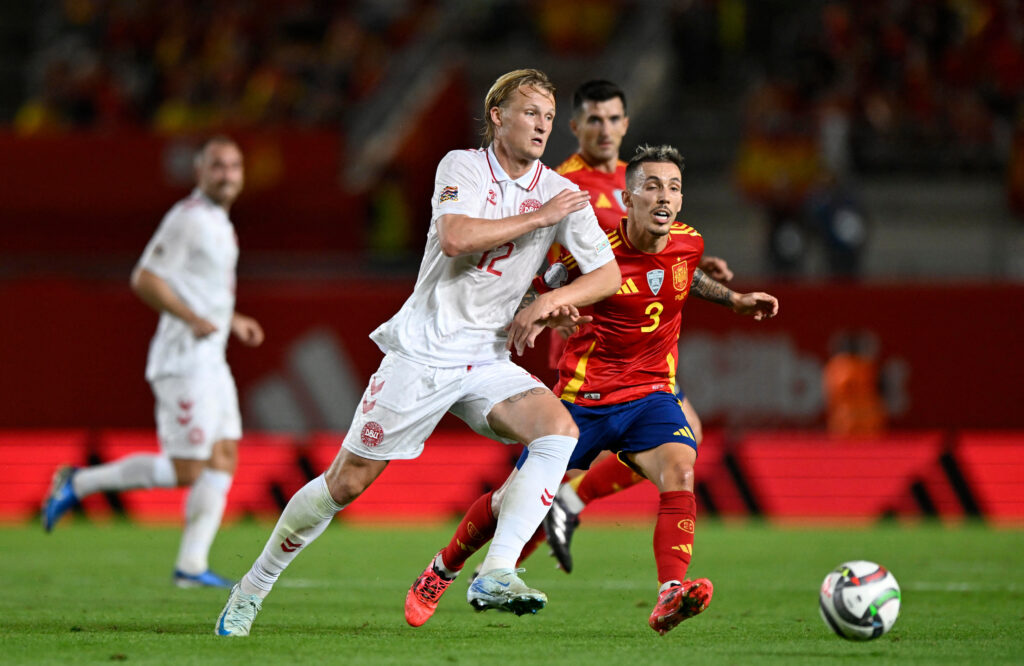
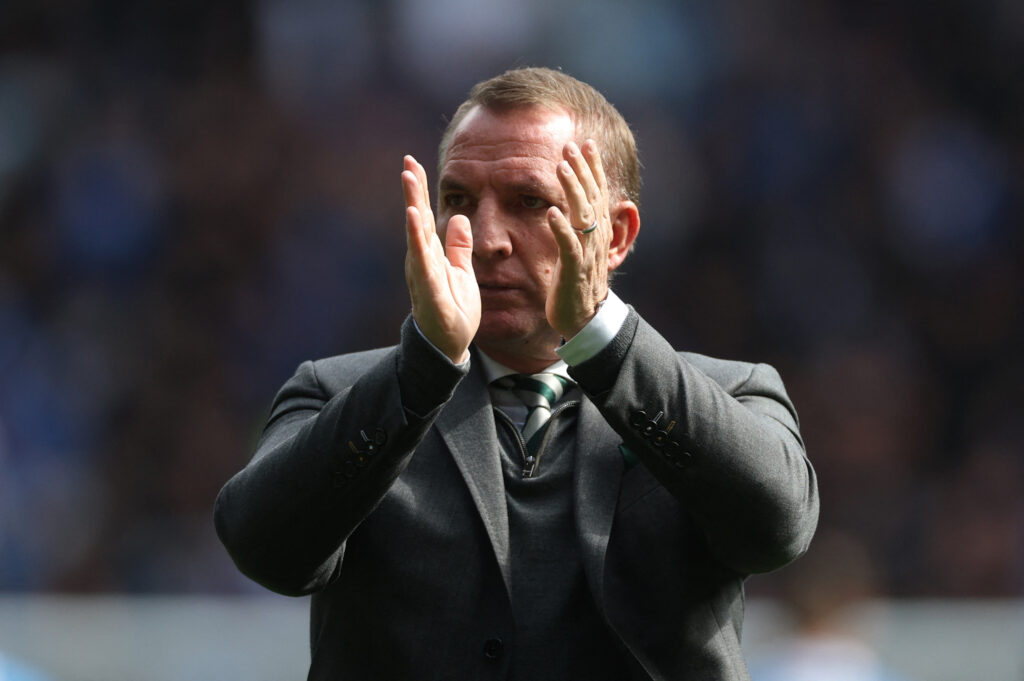
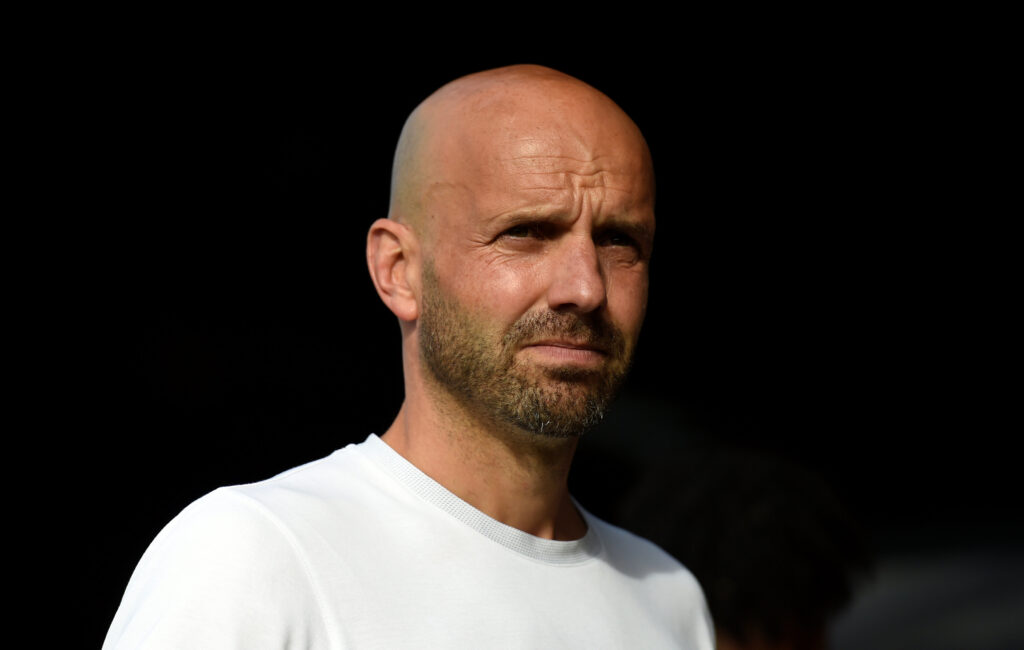
When Paul Tisdale was spotted at Hammarby’s European clash last month, the story doing the rounds was that Celtic were eyeing up Viktor Eriksson.
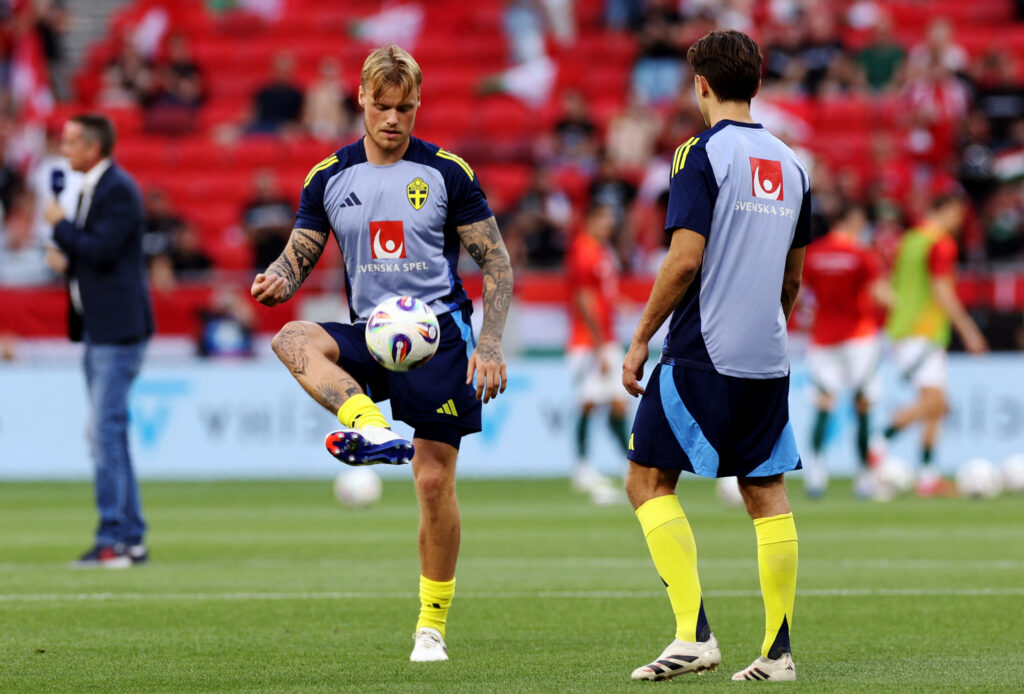


Sebastian Tounekti played 110 minutes in that same match before being hooked in extra-time. The winger was everywhere, showing the energy, direct running and attitude that has clearly put him on Celtic’s radar.
Fast forward and, on August 27th, the first concrete bid went in from Celtic, 33 million kronor, roughly £2.5m.
Here’s the question: if Tisdale saw Tounekti up close in the flesh, why did it take 27 days to make a move?
The winger was scouted before Celtic’s crucial Champions League play-off with Kairat Almaty. If he was good enough to be followed that night, why wasn’t he signed before, or at the very least bid for ahead of those ties? Instead, Celtic went into that fixture short on creativity, drew a blank, and the support turned on the board with chants ringing out at Parkhead. It feels like another case of leaving it too late.
The timeline fits Celtic’s transfer trademark, waiting, haggling, and hoping the price comes down rather than acting decisively. Problem is, that approach rarely works. Hammarby rejected the first offer instantly, and word out of Sweden is they now want more, upwards of £3m. So the delay hasn’t saved Celtic money, it’s cost them ground.

It’s not just about one player. This is the same frustration fans have seen every window: scouting trips, rumours, then weeks of silence before a late bid lands when the seller holds all the cards. Fans are right to ask what the plan actually is.
If Celtic thought Tounekti was worth watching on July 31st, why wait until the end of August to put something on the table? That gap tells its own story about the way the club moves in the market.