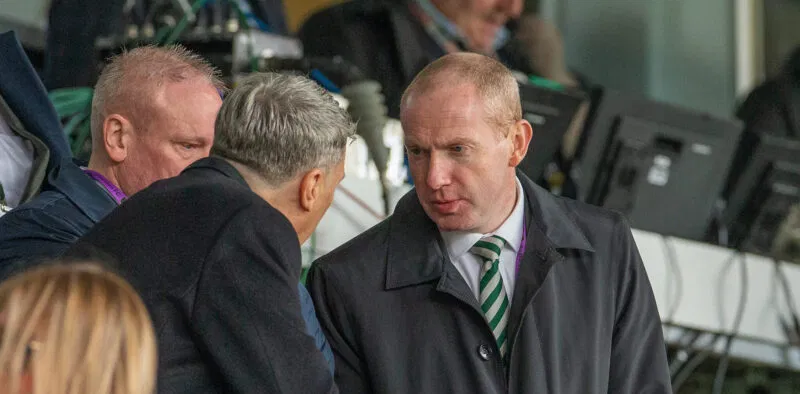
Former Partick Thistle chairman Duncan Smillie has taken aim at the Celtic hierarchy, accusing them of failing supporters after the club’s latest Champions League collapse.

Smillie is standing for election to the Celtic Trust alongside David Low and Peter McGowan, arguing that collective supporter action is the only way to drive real influence. He believes fan ownership of shares is the modern route to accountability, insisting traditional boycotts no longer impact the club financially.
The defeat to Kairat Almaty in Kazakhstan was the latest in a string of humiliating European exits. Smillie claims the board has repeatedly failed to address obvious weaknesses in the squad before crucial qualifiers, even as the club’s cash reserves topped £65 million.
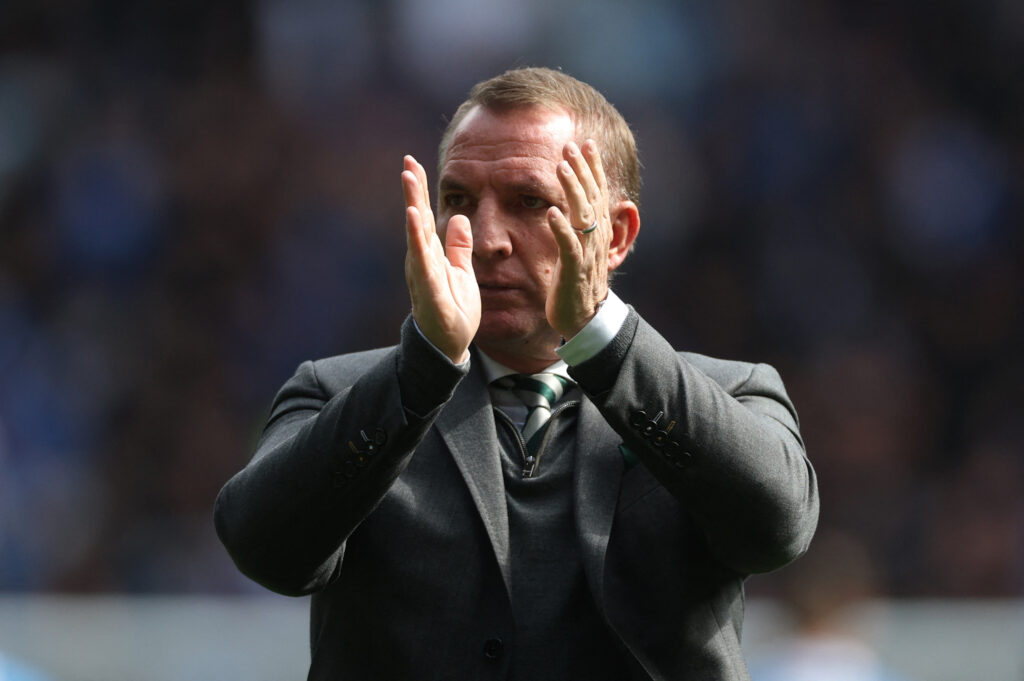
While Brendan Rodgers and his players have been criticised for the performance in Almaty, Smillie believes the bigger issue is that the manager has been left short-changed. He argues that majority influence remains with Dermot Desmond, despite him being a minority shareholder, leaving Celtic’s strategy stale and unambitious.
He said: (TCW), “I’ve had people come and go. Jobs come and go, friends come and go, I’ve had a wife come and go. The only constant is Celtic, and as a middle-aged man, it doesn’t feel great to wake up in the morning and find myself in a bad mood within ten seconds because of a game of football in Kazakhstan the night before.
“For me, Brendan and the players have blood on their hands after that tie. To play 210 minutes and not score a goal and then miss three penalties against that team is on the manager and on the players. But the manager should have been given more ammo. He should have been sitting there with a better striker, with better options on the wing to bring off the bench.
“In Dermot Desmond, you have a man who has created a situation where he is a minority shareholder with majority control. That is just wrong. That simply should not be the case. It would be nice if the club would listen to supporters. And our aim is to create a vehicle where they have to listen to supporters because the Celtic Trust has x per cent of shares and they are legally obliged to do so.
“They must have a plan. If so, why would they not share that plan with their fans, their customers, their investors and those who have Celtic’s best interests at heart? By failing to do so, what’s happening now is not just arrogant – it’s wrong.”
Smillie sees the Celtic Trust as a chance to give supporters real power, in the same way Celts for Change once did in the 1990s. He believes that by reclaiming unclaimed shares and uniting under one structure, fans could finally exert real pressure on the boardroom.
Reminder: Celtic Trust AGM is on Tuesday 2nd September at 7pm. Emails went out to members 2 weeks ago. If you are a member and have not received an AGM notice please get in touch via email – see profile for details.
— Celtic Trust (@TheCelticTrust) August 26, 2025
He dismisses the idea of boycotts, arguing that in a club of Celtic’s size tickets and merchandise will always sell regardless. Instead, he says the only effective route is to build legal influence through shareholding, which would force the board to listen.

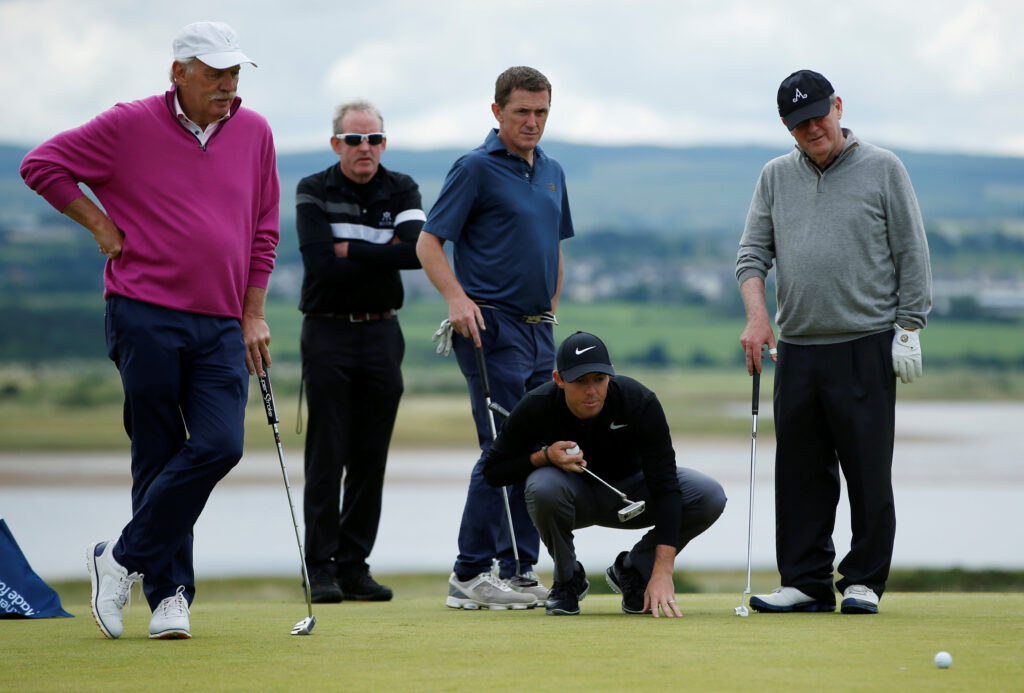
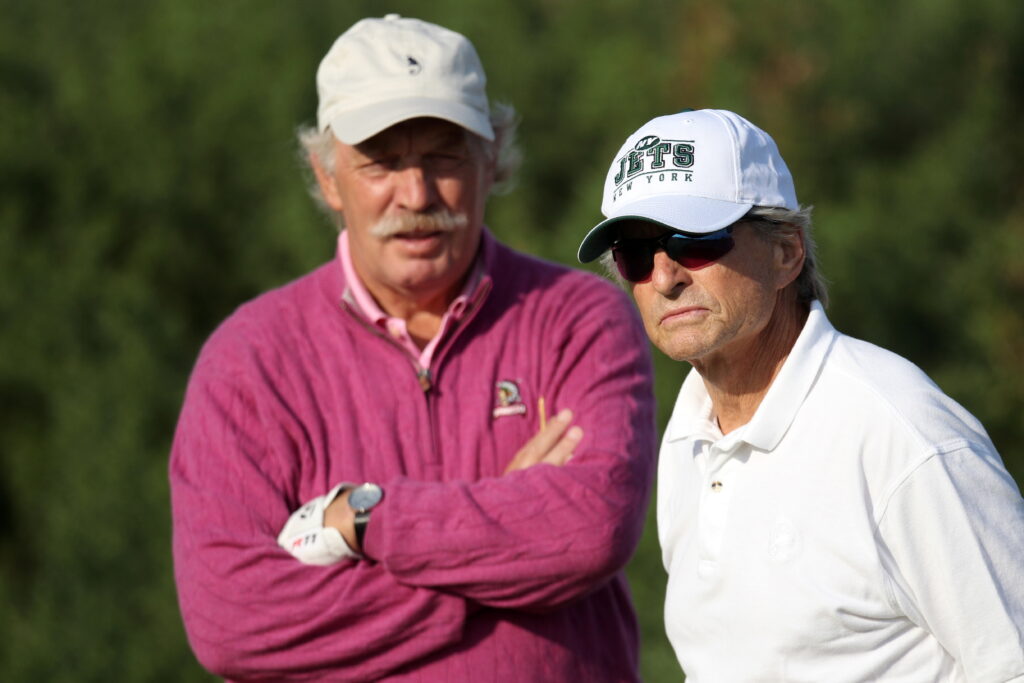
Robert Karlsson of Sweden (L) with Ireland’s Dermot Desmond (C) and Germany’s Martin Kaymer
Mandatory Credit: Action Images / Carl Recine
While Rodgers and the players have been criticised for poor performances, Smillie believes the real problem lies above them. He argues the board has lacked ambition, with signings like Michel Ange Baliwisha and Marcelo Saracchi coming too late to make any difference in Europe.
For Smillie, the biggest failure is silence from the top. With the CEO invisible and communication left to the manager, he calls it bad business practice. Without clear plans for how tens of millions in reserves will be used, he warns that the gap between board and supporters will only widen.