The Green Brigade’s proposal for “The Celtic End” at Celtic Park ignited imaginations and sparked debates among the Celtic supporters over the past year or so. The plan to transform the Jock Stein stand into a dedicated standing section aims to rejuvenate the atmosphere on domestic matchdays and elevate the intensity on European nights. This vision echoes the renowned “Yellow Wall” at Borussia Dortmund, where the collective energy of thousands of standing fans creates a fortress-like environment that is as intimidating for opponents as it is uplifting for the home side.
Imagine a wild European night at Celtic Park. The lights are low, the tension is high, and The Celtic End is a sea of green and white, swaying and roaring in unison. Over 13,000 fans, standing shoulder to shoulder, create a cacophony that reverberates through the stadium, drowning out any sense of opposition hope. This is the vision—a bastion of noise and passion that could turn Celtic Park into a veritable fortress.
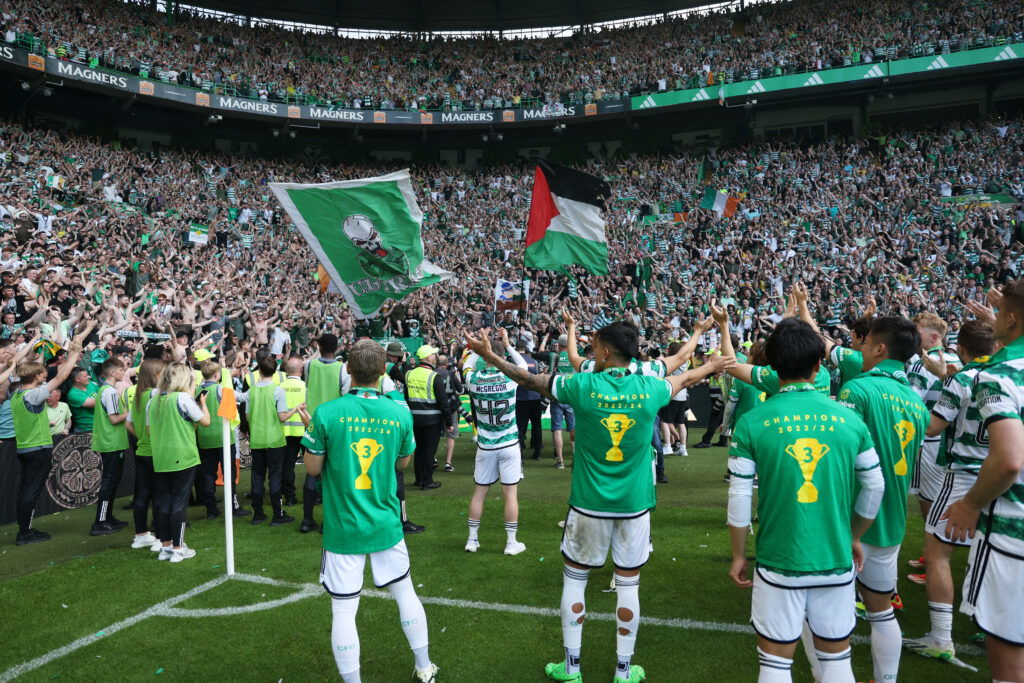
The proposal outlines a significant expansion from the current 2,700 capacity in the North Curve standing section to over 13,000 in the Jock Stein stand. This would provide a vast, united space for the most vocal and passionate supporters, fostering an electric atmosphere that could invigorate the team on days when they need it and intimidate visiting sides. The benefits are clear: a louder, more cohesive support that can act as a twelfth man, especially during crucial European fixtures.
The inclusion of a larger standing section would not only cater to the ultras but also to a broader range of fans who relish the idea of standing throughout the match, echoing the traditions of yesteryears when terracing was commonplace. This inclusivity is central to the Green Brigade’s vision, aiming to create a vibrant and engaging matchday experience for all, not just a select few.
However, while the idea of The Celtic End is undoubtedly appealing, I cannot foresee it coming to pass anytime soon. Safety concerns have been a primary argument against the proposal, with the club hesitant to approve such a large-scale transformation in the Jock Stein stand. These concerns came to light when the green brigade and other Ultras were denied the opportunity to have their Celtic wall for the Celtic women fixtures towards the end of last season. It was trialed two seasons ago with the club’s blessing but wasn’t allowed to be repeated.
Sitting in the stand in question, I’ve spoken to many fans who are for it, but more that aren’t so big on the idea. There are supporters who have sat in the Jock Stein stand since it was constructed and opened, some who once went to games with their fathers, brothers, sisters, mothers who are no longer with us. For them to give up their seats feels almost like giving away a link that binds them to the past, the memories, the triumphs and the heartbreaking defeats with their loved ones. Now taking younger members of their family, asking them to give up their seats for the ‘Celtic End’ is something I’d personally be uncomfortable putting to them.
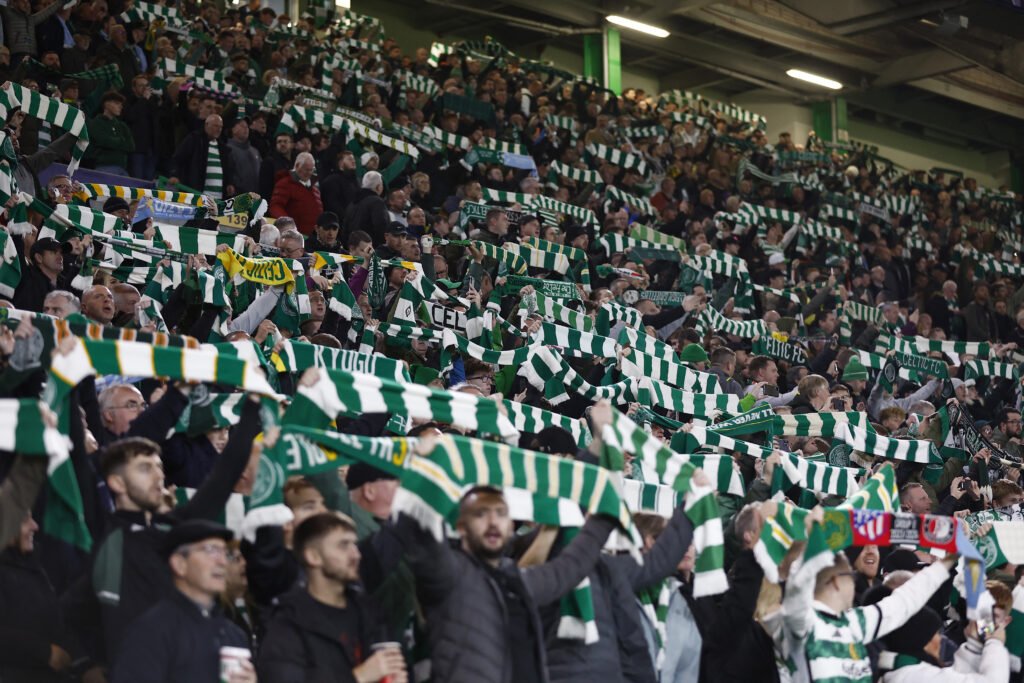
Beyond emotional pulls and safety, a more clinical issue lies in the financial implications of converting a significant portion of the stadium into a standing section. The area earmarked for The Celtic End currently serves a different purpose—hosting corporate seats with access to the Kerrydale Suite and the number seven. These VIP tickets, which can fetch prices up to 15 times higher than a standard seat, represent a lucrative income stream for the club. The revenue from these corporate arrangements is part of the club’s financial infrastructure.
In the cold, commercial reality of modern football, clubs often prioritise the customers with the deepest pockets. The transformation of the Jock Stein stand into a standing section would result in a substantial loss of these high-value seats, impacting the club’s bottom line. As much as the board might appreciate the passionate support of the Green Brigade and the wider fanbase, the financial considerations are likely to outweigh the benefits of a more vibrant atmosphere.
Moreover, the authorities are currently cracking down on the use of pyrotechnics at football matches. The police, the Scottish Football Association (SFA), and the council are all pushing for stricter controls. The council has the power to revoke Celtic’s licence for the current standing section at any time, presenting another formidable obstacle. This risk of losing even the current standing section further dampens the likelihood of expanding it.
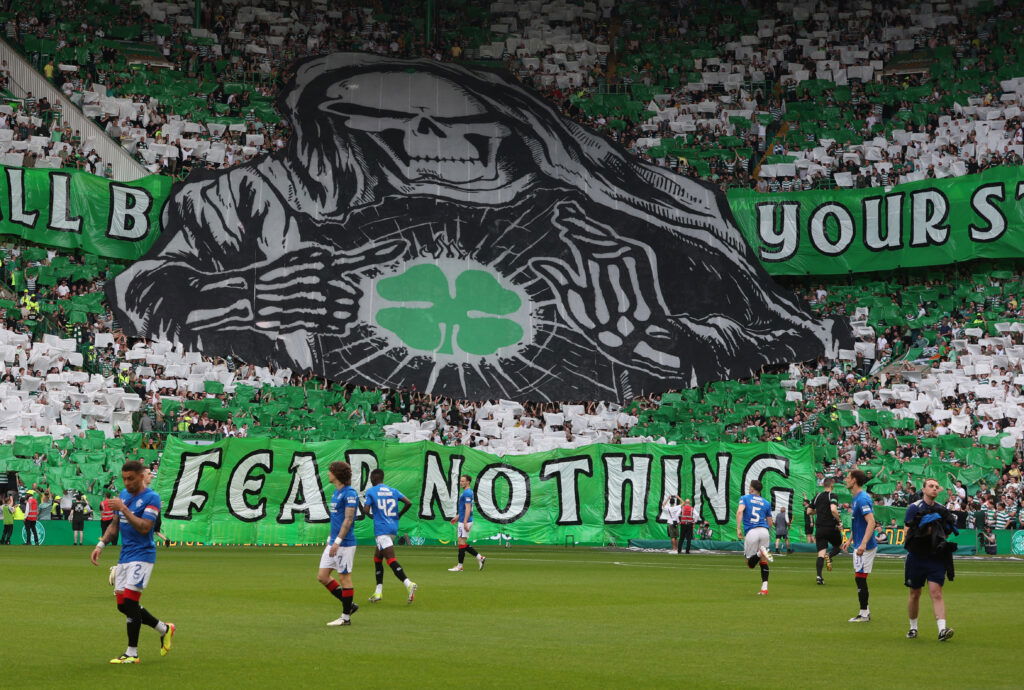
After all these arguments, it’s hard to ignore there’s very little appetite at Celtic’s higher levels to empower their ultras by handing them a bigger say on matchdays. Last season’s dispute, which saw the Green Brigade have their home and away tickets suspended, exemplifies the strained relationship between the club’s hierarchy and its most fervent supporters. This friction is nothing new in football, where the core support often finds itself at loggerheads with those in power, but the damage here seems almost irreparable.
Ultimately, while The Celtic End is a fantastic idea that could transform matchdays at Celtic Park, it faces insurmountable challenges. The club’s reluctance to empower their ultras, coupled with the financial losses that such a move would entail, means this dream may never become a reality. In the ongoing battle between corporate interests and fan culture, the former often holds the winning hand.